Therapy for Neurodivergent Couples
Neurodivergence can be a beautiful thing. It can also be deeply frustrating—especially in relationships.
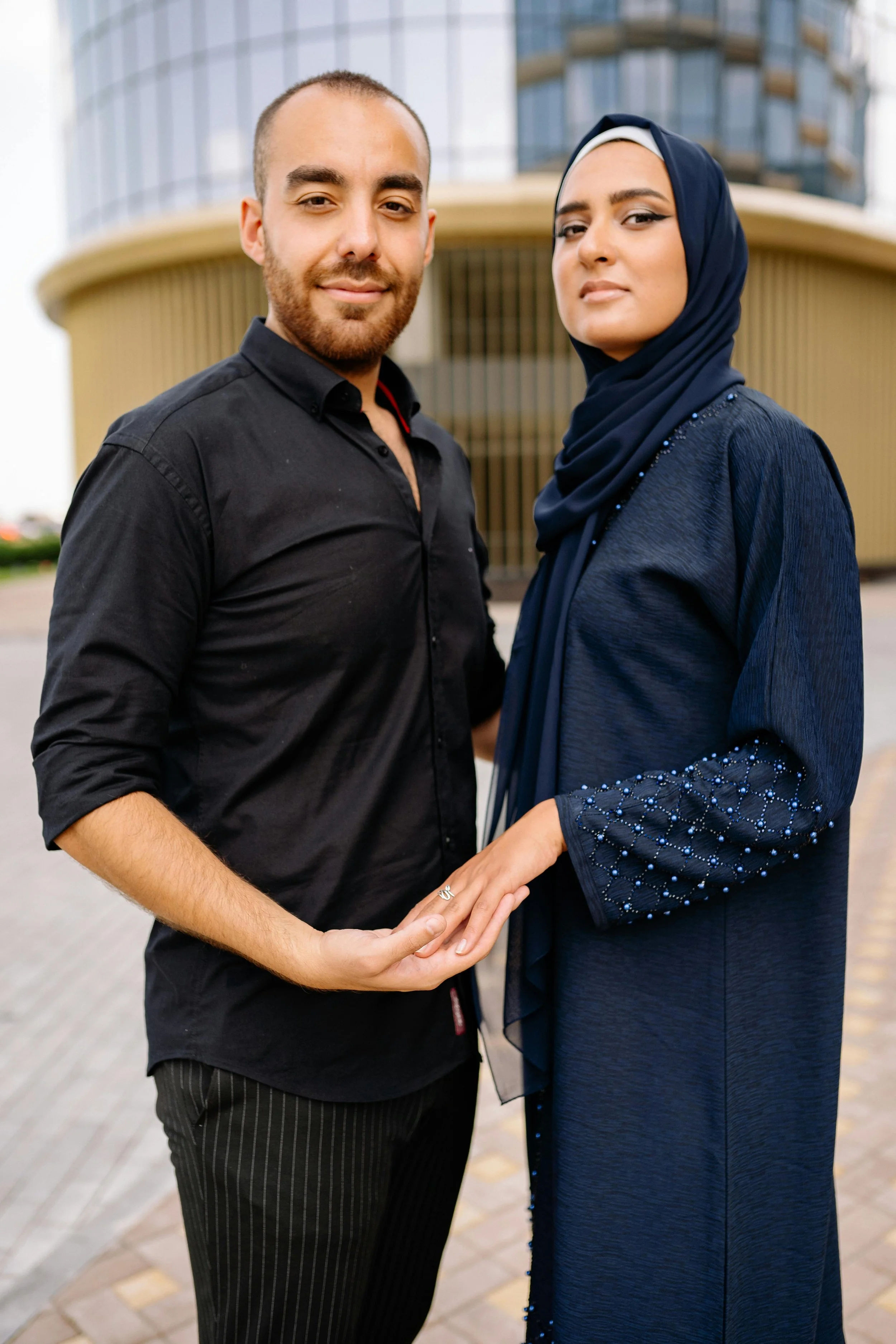




Rameya works with couples where one or both partners identify as neurodivergent (ADHD, Autism, AuDHD, and more). Every relationship has its own rhythm, and neurodivergence often shapes how each partner communicates, connects, and experiences the world.


Therapy focuses on understanding how neurodivergence shows up in each partner’s daily life—and in the relationship itself. Together, we work toward building a connection that feels sustainable, supportive, and genuinely good for both of you—where neurodivergence adds to the relationship, rather than becoming a constant source of tension.

Part of what makes neurodivergence challenging in relationships is finding the balance between:
Accepting differences that aren’t going to change
And identifying where growth, effort, and skill-building can* make things easier
Rameya supports couples in finding that line—without blame, without pathologizing, and without trying to force either partner into a mold that doesn’t fit.
Neurodivergent couples often come in for support with:
Communication differences (direct vs indirect, processing speed, tone, etc.)
Emotional regulation—shutdowns, overwhelm, or reactivity
Sensory needs and differences in routines or environments
Division of responsibilities, especially with executive functioning challenges
Navigating ADHD-related patterns like forgetfulness, time blindness, or inconsistency
Navigating autistic traits such as need for predictability, clarity, or alone time
Mismatched needs for closeness, space, or stimulation
Repairing hurt and rebuilding trust after repeated misattunements
Transforming conflict into deeper understanding and connection
Dating, long-term partnership, or marriage where neurodivergence is newly discovered
Moving from frustration and resentment toward understanding and teamwork